COATING GUIDE
Epoxy vs. polyaspartic vs. polyurea.
The short version.
| Topic | Epoxy | Polyaspartic | Polyurea |
|---|---|---|---|
| What it is | A two-part resin that bonds to concrete | A fast-curing coating in the polyurea family | A flexible, fast-curing resin family |
| How we use it | Base coat and flake or metallic layer | Topcoat on about 95% of jobs | Only when the manufacturer recommends it, usually commercial |
| Where it shines | Bonding to the slab and building thickness | A durable, clear finish that holds up to sunlight | Demanding commercial spaces |
Why we combine them.
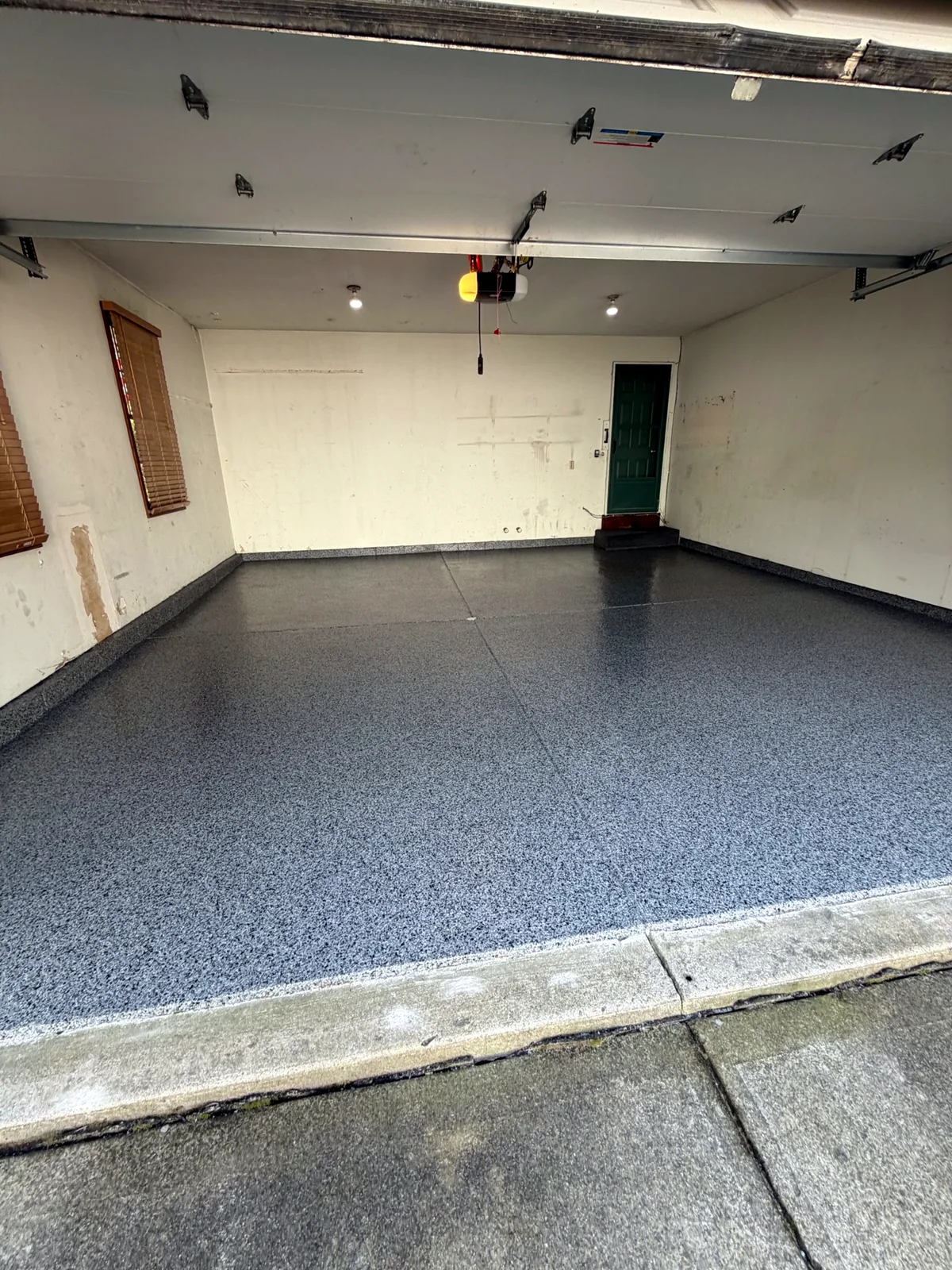
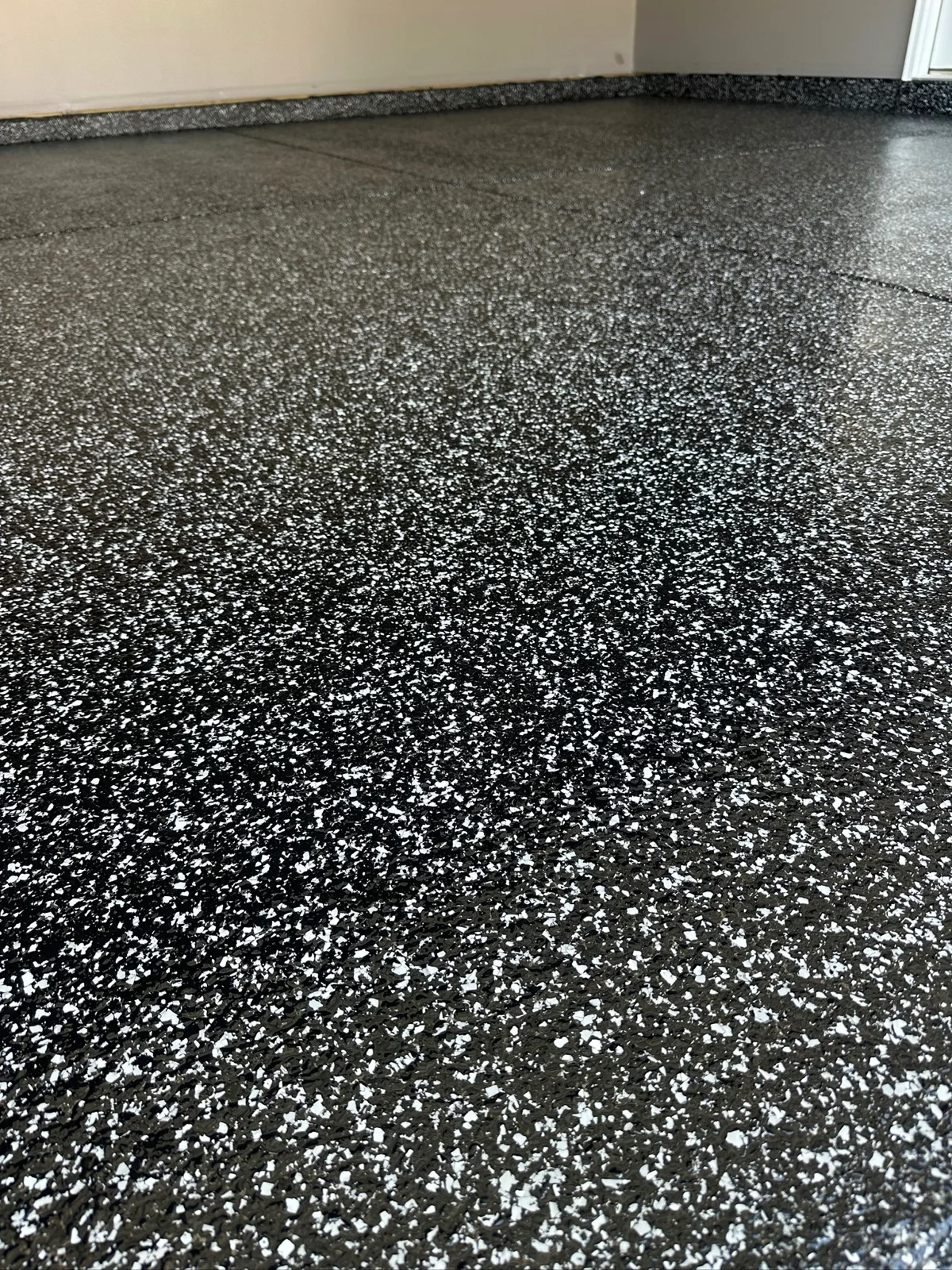
No single coating does everything well. Epoxy bonds to ground concrete and builds the body of the floor. A polyaspartic topcoat seals it and gives you the finish you see and clean every day. That combination is what goes into a typical Cap City Garages floor in a day and a morning.
Got questions?
Coating FAQs
Is polyaspartic better than epoxy?
They do different jobs. Epoxy makes a strong base. Polyaspartic makes a durable topcoat. Most of our floors use both.
What topcoat does Cap City Garages use?
Polyaspartic on about 95% of jobs. Polyurea only when the manufacturer recommends it, usually commercial.
Do you do one-day floors?
Our typical garage takes a day and a morning: prep, base coat and flake or metallic on day one, then the topcoat the next morning in about 2.5 hours.
See what your floor could look like.
Get a price range in a few minutes with the online estimator, or call 614-496-6489.